
Quick Summary
Luxury homes in Princeton can choose from eleven roofing materials: architectural asphalt shingles, premium designer shingles, natural slate, synthetic slate, clay tile, concrete tile, cedar shakes, standing seam metal, copper, zinc, and rubber membrane for low-slope sections. Qualifying GAF asphalt shingle systems can be backed by a warranty with a 50-year non-prorated coverage period, while slate and zinc can last more than 100 years. The best choice balances architecture, climate performance, budget, structural capacity, and any historic district requirements that apply to the property. Clear guidance from an experienced contractor helps owners choose well.
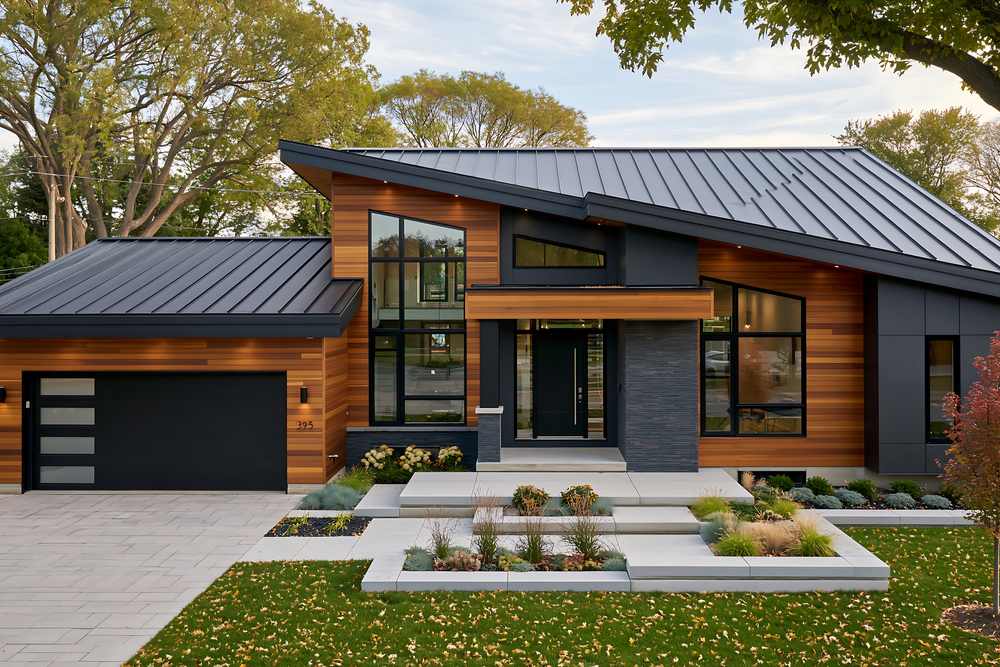
Selecting from the many types of roofing materials available is a defining decision for a luxury home. The roof shapes the first impression of the property, protects the structure beneath it, and influences maintenance needs for decades. Princeton’s architectural diversity, from stately historic residences to refined contemporary estates, makes material selection both an art and a science. At Levs Construction LLC, we help homeowners weigh style, durability, and budget.
Eleven Roofing Materials to Consider
1. Architectural Asphalt Shingles
Architectural shingles add dimension and depth, and they remain the most common roofing material, offering a balance of beauty, performance, and value. We install GAF systems such as Timberline HDZ®, and when a qualifying system goes on a single-family home through a certified contractor like us, GAF’s enhanced warranties include a 50-year non-prorated coverage period. That is warranty coverage on the system, not a promise of how long the shingles will last.
2. Premium Designer Shingles
Thicker, more sculpted shingles replicate the look of slate or cedar at a lower cost. Premium lines often carry stronger warranty options, which suit homeowners who want an upscale appearance without specialty maintenance.
3. Natural Slate
Slate is prized for its refined, timeless character and may last 60 to 150 years. It is heavy, so the roof structure must be evaluated, and it should be installed by specialists.
4. Synthetic Slate
Composite products mimic the look of natural slate with less weight and often lower cost. Some local historic commissions may consider them for certain properties, subject to review.
5. Clay Tile
Clay tile delivers a distinctive profile and may last 50 to 100 years. It suits Mediterranean and Spanish-inspired architecture and requires a reinforced structure because of its weight.
6. Concrete Tile
Concrete tile offers a similar look at a more moderate cost and may also last 50 to 100 years. It resists fire and wind but is also heavy.
7. Cedar Shakes and Shingles
Cedar provides natural warmth and character, with an expected life of 25 to 50 years. It requires regular maintenance to manage moisture, moss, and weathering.
8. Standing Seam Metal
Metal roofs typically last 30 to 50 years, shed snow effectively, and deliver a clean, modern profile. Factory finishes provide durability and a wide choice of colors.
9. Copper
Copper lasts 70 years or longer and develops a distinctive patina. It is often used for accents such as bay windows, dormers, and entry canopies, as well as full roofs.
10. Zinc
Zinc may last more than 100 years and develops a self-healing protective layer. It is a premium option for contemporary and architect-designed homes.
11. Rubber Membrane
Rubber membranes last 30 to 50 years and are well suited to low-slope or flat sections, such as porch roofs and additions, where shingles are not appropriate.
How the Materials Compare
Each material suits a different set of priorities, so it helps to group them by what matters most to you:
- Value and versatility: Architectural asphalt shingles and premium designer shingles offer the widest range of colors and the most accessible pricing.
- Longevity: Natural slate, clay tile, concrete tile, copper, and zinc provide the longest service lives, which can justify a higher initial investment.
- Traditional character: Slate, cedar, and clay deliver authentic texture and depth that complement historic and classic architecture.
- Modern performance: Standing seam metal and zinc provide clean lines and excellent snow shedding for contemporary homes.
- Low-slope solutions: Rubber membranes handle flat or nearly flat areas where overlapping shingles and tiles would not shed water reliably.
Matching Materials to Architectural Style
Princeton’s streets display colonial, Georgian, Tudor, and contemporary homes, and the best roof respects the architecture. Slate and premium shingles pair naturally with Georgian and colonial facades.
Cedar complements Tudor and cottage designs, while clay tile suits Mediterranean details. Standing seam metal and zinc flatter modern lines, and copper accents add refinement to bay windows and entries.
Maintenance Expectations By Material
Longevity depends on care. Asphalt shingles need periodic inspection, gutter cleaning, and moss control. Slate and tile require careful handling because walking on them can cause breakage, so we recommend that only trained professionals perform maintenance. Cedar needs the most attention, including cleaning and treatment to manage moisture. Metal, copper, and zinc require little upkeep beyond inspecting fasteners, seams, and flashing. Discussing maintenance before you choose a material helps you select a roof that fits your lifestyle as well as your home, and it prevents unwelcome surprises years after installation.
Working Within Historic District Review
Princeton includes several historic districts, and properties within them may face additional review when exterior materials change. Boards often evaluate whether a proposed material respects the original character of the home, and they may ask for samples, photographs, or product specifications.
Starting the conversation early prevents delays, and we are glad to provide the technical details that a review requires. Even outside a historic district, a thoughtful material choice protects the visual harmony of your street and the long-term value of your property.
Choosing the Right Material for Princeton
Several considerations guide the decision. Properties within a local historic district may need commission review before roofing materials change, so confirm requirements with the municipality before ordering. Structure matters as well, since slate, clay, and concrete are heavy and may require an engineering evaluation of the framing.
Climate also plays a role. The U.S. Department of Energy notes that conventional roofs can reach 150°F or more on a sunny afternoon, and that reflective roofs can stay more than 50°F cooler, although colder climates may see a winter heating penalty.
One Coordinated Exterior
We install roofing, siding, and decks as part of a single, coordinated exterior plan. Our family-owned, woman-owned company has served homeowners for more than 20 years, never uses subcontractors, and holds GAF Master Elite® certification. To see how we serve homeowners nearby, visit our page on Princeton roofing, or learn about our siding and deck services. Our team can advise which of these materials we recommend for your home, and we will explain the trade-offs honestly.
Discuss Your Princeton Roofing Options
Ready to compare materials for your home? Call (908) 393-4723 to schedule a free consultation with Levs Construction LLC and receive expert residential roofing services tailored to your property.
FAQs
Zinc, slate, copper, and clay or concrete tile are among the longest-lasting, with lifespans that can exceed 50 years and, in some cases, 100 years.
It depends on the property and any historic district requirements. Slate, cedar, or approved alternatives are commonly considered, subject to local review.
Not always. Slate and tile may require a structural evaluation to confirm that the framing can support their weight.