

Quick Summary
New Jersey’s climate puts roofing materials through a demanding cycle of heat, snow, ice, wind, and moisture — and not all materials handle it equally well. Architectural asphalt shingles perform reliably across most NJ homes, with metal roofing offering a longer lifespan for homeowners thinking long-term.
Flat roof sections require membrane systems such as TPO or EPDM, with drainage design the deciding factor in how well they hold up. Across all material types, the roofing system as a whole matters just as much as the material on top.
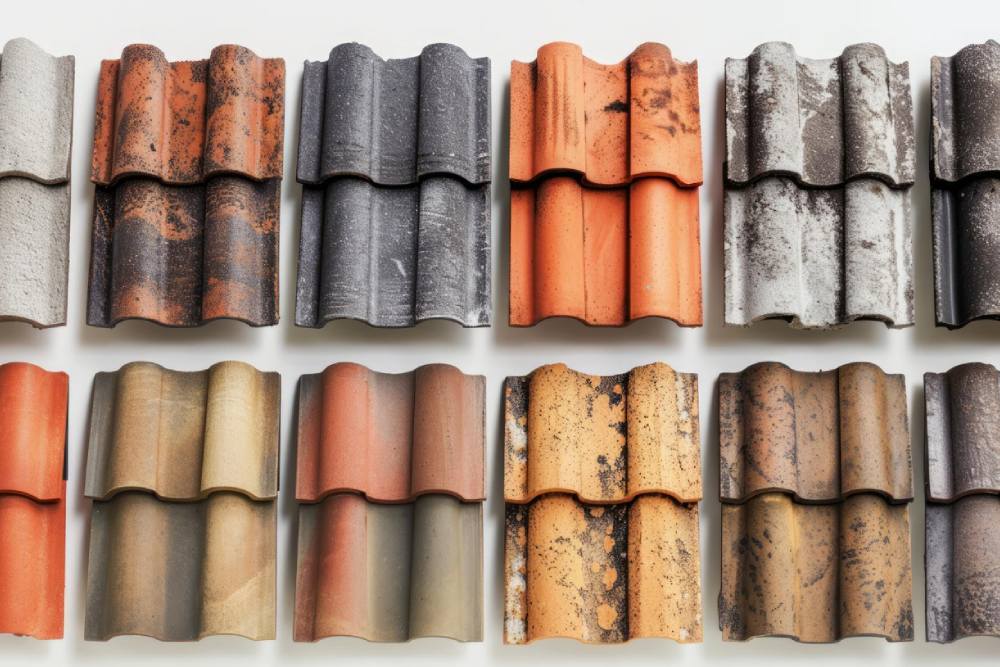
New Jersey weather is demanding on roofs year-round. Summers bring prolonged heat and humidity. Winters introduce snow loads, ice dams, and strong nor’easters that push wind and moisture into every vulnerable section of the roof. Spring and fall continue the cycle with heavy rainfall and temperature fluctuations that gradually cause materials to expand, contract, and wear down over time.
Choosing the best roofing materials for NJ weather is about picking something that can hold up through it all, season after season.
At Levs Construction LLC, we’ve been working on roofs across Central Jersey for over 20 years. We’ve replaced plenty of roofs that failed before their time because the material wasn’t a good match for what New Jersey throws at a home.
Best Roofing Materials for NJ Weather: What Holds Up and What Doesn’t
New Jersey’s climate places roofing systems under constant pressure. A reliable roofing material must handle freeze-thaw cycles, summer heat, heavy precipitation, and strong wind events connected to coastal and inland storms. Here is how the most common roofing materials in NJ compare in real-world conditions.
Architectural Asphalt Shingles
Architectural shingles are the most widely used roofing material in New Jersey, and there’s good reason for it.
They perform well across a wide range of conditions, handle temperature fluctuations without cracking, and resist wind uplift better than older three-tab shingles. They’re also available in a range of weights and grades, so homeowners can match the product to their budget and their local exposure level.
As part of our residential roofing work, we install architectural shingles regularly across Central Jersey. The GAF product line in particular has proven itself in this climate, with options engineered for high wind resistance and algae protection.
Metal Roofing
Metal roofing has become increasingly popular over the last decade, especially among homeowners planning to stay in their homes long-term.
Metal roofs shed snow efficiently, resist moisture absorption, and handle temperature extremes without breaking down the way some other materials can over time. Properly installed metal roofing also performs well during high-wind storm events, which is especially important in areas affected regularly by nor’easters.
The upfront investment is higher than asphalt shingles, but the lifespan is significantly longer. Many homeowners find the long-term value worthwhile once maintenance costs and replacement timelines are considered.
Flat Roof Systems (TPO and EPDM)
Flat and low-slope roofs require a completely different approach. In New Jersey, where winter precipitation can be heavy, flat roofs need proper drainage design and a membrane system that seals reliably against standing water.
TPO and EPDM membranes are the two most common choices for flat residential and commercial applications. TPO reflects heat well, which helps during the summer months. EPDM is a durable rubber membrane with a long track record in colder climates. Both need to be installed correctly to perform.
If your home has a flat section and it’s been having issues, a closer look at the membrane and drainage setup is usually the first step. Our team regularly handles roof repairs on flat systems and can identify where things are breaking down.
What New Jersey’s Climate Demands From a Roof
It helps to understand what specifically puts roofing materials under stress here:
- Ice damming: When snow melts and refreezes at the roof’s edge, it creates pressure that forces water under shingles. Proper underlayment and attic ventilation are the main defenses against this.
- Wind uplift: Nor’easters and summer storms generate wind speeds that test the fastening and seam integrity of any roofing system.
- UV and heat exposure: Summer heat accelerates the aging of roofing materials, particularly asphalt, so quality and thickness matter.
- Moisture cycling: Rain, snow, and humidity put constant pressure on seams, flashing, and the roofing substrate underneath.
A roofing material that handles only some of these conditions effectively can still create long-term problems. The goal is choosing roofing materials in NJ that work together as a complete roofing system capable of managing all of these stresses simultaneously.
How Material Choice Affects Replacement Timing
One thing that often gets overlooked is how the quality of the original material affects how long it takes before roof replacement becomes necessary. A lower-grade shingle installed on a home with poor attic ventilation in a high-exposure area will age fast. The roof might look fine from the curb for years, only to deteriorate quickly as the underlying system breaks down.
Investing in the right material from the start is one of the most practical decisions a homeowner can make. It’s about spending wisely on something that actually fits the conditions.
Making the Right Call for Your Home
There’s no single material that works best in every situation. A steep-pitch colonial in Flemington has different needs than a ranch-style home with a low-slope section in Somerset. Age of the home, existing ventilation, local tree cover, and typical weather exposure in your specific area all factor in.
What we’ve learned over two decades at Levs Construction LLC is that the best outcomes come from matching the material to the home and the climate together.
Talk to a Local Roofing Team Who Knows NJ Weather
Reach out to Levs Construction LLC to schedule an inspection or ask questions about what would work best for your home. We’ll give you a straight answer based on what we see.
FAQs
Lighter shingle colors reflect more solar heat, which can reduce attic temperatures during summer. In New Jersey’s warm months, this makes a modest difference in comfort and energy use, though ventilation quality has a larger overall impact.
Heavy tree cover increases moisture retention on the roof surface, accelerating the growth of algae and moss. Homes with significant shade benefit from shingles with algae-resistant coatings, and may need more frequent inspections to catch debris buildup early.
Poor ventilation traps heat in the attic, which degrades shingles from below and shortens their lifespan. It also contributes to ice dam formation in winter. Good ventilation is one of the most cost-effective ways to extend the lifespan of any roofing material.